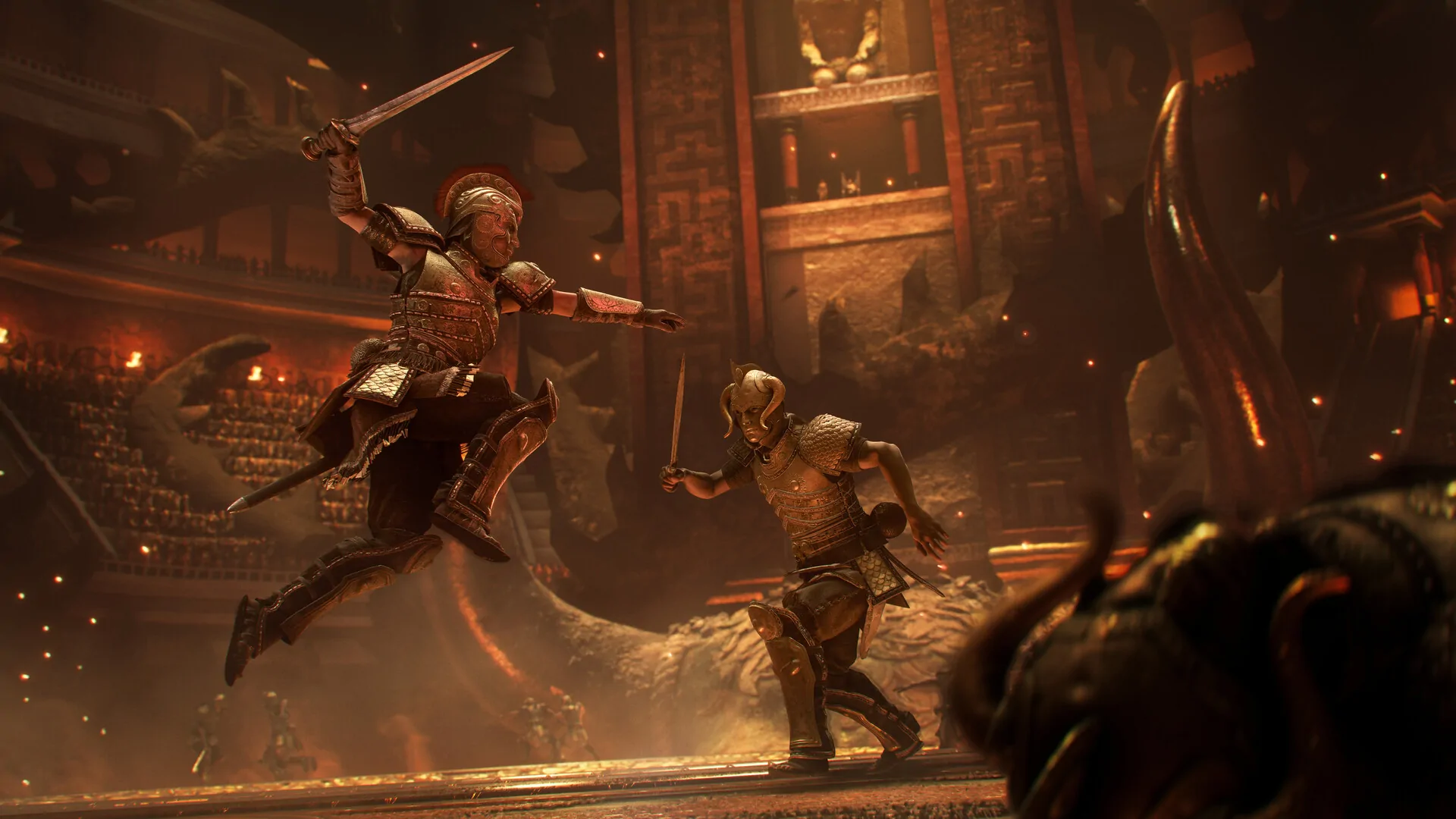
Resonance: A Plague Tale Legacy Soundtrack — Olivier Derivière, Yayli Tambur & Choir
Olivier Derivière returns to score Resonance. What DEVBLOG #4 confirms about the instruments, the Cyprus choir sessions, and why the cello had to change.
Updated · Official
Olivier Derivière scores Resonance: A Plague Tale Legacy, as he did Innocence and Requiem — but he is deliberately not reusing the sound. Everything on this page comes from DEVBLOG #4, “The Melody Resonates”, the interview Focus Entertainment and Asobo published to the official Steam news hub on 29 July 2026.
The brief: mystical, personal, and grounded at once
Derivière describes long sessions with Creative Director David Dedeine and Audio Director Aurélien Piters before writing anything, working out an approach for an episode that departs from the earlier games in mythology, storytelling and gameplay alike.
What he came out of those discussions wanting was, in his words, something he had never done before: mystical yet personal, emotional but full of action, and still anchored in both the real world and the game’s fantasy. His stated goal was to honour the A Plague Tale DNA without repeating himself — new sounds, new instruments, and what he calls a new signature, so that Resonance “gets its own existence.”
The emotional target is specific, and it is Sophia. He frames her as a strong warrior who is broken inside, lost and looking for answers — determined, but facing challenges that can overwhelm that confidence. The balance between her strength and her fragility is the stated main focus of the score.
Why the cello had to change
Eric Maria Couturier’s cello is part of the series’ musical identity, and Derivière is explicit that the instrument stays part of the signature. For Resonance, though, he wanted the same emotional role delivered in “a more Ottoman/Greek way.”
That search led him to Evgenios Voulgaris, one of the most established players of the Yayli Tambur — which the devblog describes as an ancestor of the cello — and the rebab. Derivière says Voulgaris is “actually everywhere in the game.” Recording happened in both directions: Derivière travelled to Patras, Greece, and Voulgaris came to Paris, on top of remote sessions.
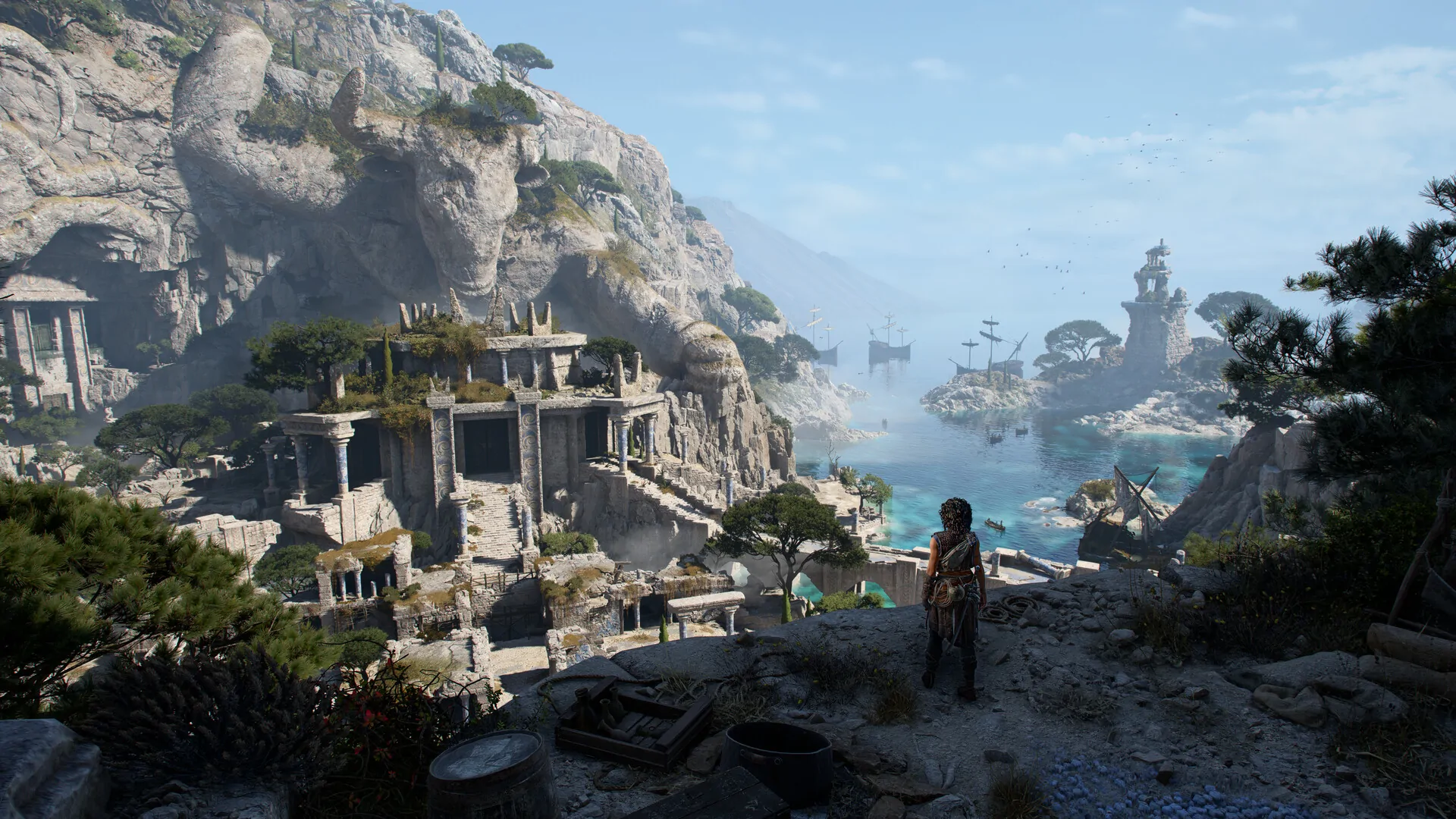
The choir: Vasiliki Anastasiou and Amalgamation
To “capture the spirit of Sophia,” Derivière went looking for a solo singer and found Vasiliki Anastasiou and her choir Amalgamation, based in Cyprus. Dedeine signed off enthusiastically; Derivière says the voices could “inspire mysticism, empowerment, all sorts of emotions.”
The songwriting workflow is the most concrete detail in the interview, and it took over a year:
- Anastasiou travelled to Paris for a couple of days to build the workflow with Derivière.
- He wrote the lyrics in French.
- She translated them into Cypriot Greek.
- She read and recorded them so he could hear the accents.
- Only then did he write the final music around those readings.
Derivière credits her, and her longtime friend Giorgos Kalogirou — who also sings in the game — for the result, and says having the lyrics in her own language “made a huge difference.”
The recording itself was two straight days in Cyprus with Derivière’s engineer, roughly nine hours of singing per day, with the choir arriving fully prepared. He notes that Anastasiou was seven months pregnant through those sessions, and has dedicated the game’s whole score to her daughter, Cleo.
What he wanted the voices to do
Derivière’s stated intent for the choir is thematic rather than atmospheric: a choir like this carries “sonorities that have echoed through thousands of years,” and the game’s title is the point — the music is meant to resonate with our collective past as humans. He adds that in the finished game the voices “always appear for a good reason,” and expects players to remember them.
Confirmed vs not confirmed
- Confirmed: Olivier Derivière composes; Evgenios Voulgaris plays Yayli Tambur and rebab; Vasiliki Anastasiou and the Amalgamation choir recorded in Cyprus; Giorgos Kalogirou sings; lyrics written in French and translated to Cypriot Greek; Eric Maria Couturier’s cello remains part of the series signature; David Dedeine (Creative Director) and Aurélien Piters (Audio Director) shaped the approach.
- Not confirmed: the track list, the total runtime, whether a standalone OST release or vinyl is planned, and which scenes the choir pieces score. The devblog does not name a single track.
Treat any “full soundtrack track list” as unofficial unless it comes from a current official release. For the character the score is built around, see Sophia’s voice and mocap and the story and setting page; for the mythology feeding the lyrics, the Minotaur myth explained.
Sources and verification
Fact sources
| Status | Source | Used for | Checked |
|---|---|---|---|
| Official | Official Steam devblogs and FAQAsobo Studio / Focus Entertainment | First-party posts on the Steam news hub for App 2713000: the Resonance FAQ (platforms: "PC, Xbox Series X|S and PS5"), plus DEVBLOG #1 Sophia’s Story, #2 Anna Demetriou interview, #3 "Into The Myth", #4 Olivier Derivière interview. | |
| Steam feature | Steam store pageValve / Steam | App id 2713000, developer, publisher, release date, price, genres, categories, languages, screenshots, and the official Steam description. | |
| Official | Focus Entertainment official siteFocus Entertainment | Official publisher of Resonance: A Plague Tale Legacy, developed by Asobo Studio. |